
Well, I’m a six…
Which is the new fourteen!
That dialogue from The Devil Wears Prada can also be used to describe vintage sizing. Only in reverse. A size 14 dress from the 1950s will fit like a size 6 today. Why the discrepancy? In order to understand the stark contrast between vintage and contemporary sizing, we have to explore historical fashion trends, changes in body shape and size over the years, and the evolution of modern-day sizing systems.
Historical Fashion Trends
Clothing has always been influenced by culture. And culture is constantly in flux. For example, in the 1950s, the hourglass figure was popularized by Hollywood stars such as Marilyn Monroe and Grace Kelly. Dresses at that time were designed to accentuate a tiny waist and fuller bust and hips.
In the 1960s, fashion was all about the “youth quake,” with mini-skirts and shift dresses that were more suited for models with slender, boyish silhouttes like Twiggy.
Historical fashion trends were also heavily influenced by the economy. During turburlent times like the Great Depression and World War II, the rationing of fabric was quite common. This led to more conservative use of materials and smaller, more utilitarian clothing designs. As a result, standards for sample sizes and sizing in general were impacted for decades to come. That’s why fashion models have always tended to be so small. It’s a lot less expensive for a designer to produce a size 2 sample than a size 12, since less fabric is required.
Changes in Body Shape & Size
In the early to mid-20th century, people generally had smaller body frames due to healthier dietary habits and less sedentary lifestyles. Portion sizes were smaller and physical labor was much more common. This resulted in overall leaner body types.
Anthropometric data collected over the years shows a significant growth in average body size. This is primarily due to the increase in consumption of fast food and overly processed options.
According to research published in a 2018 Woman’s World article, women in the 1950s had an average waist size of 27.5 inches. In 2017, that average jumped to 34 inches.
Today, most designers have finally embraced changing body types and offer more size-inclusive collections. However, finding vintage pieces in larger sizes can be quite challenging.
modern Day Sizing Differences
Another prominent challenge to understanding vintage sizing is the lack of standardization among manufacturers throughout history. Each design house has its own built-in sizing protocols.
Even modern brands such as GAP and H&M have different sizing standards. This is because clothing manufacturers consider the design, cut, and fit of their garments as intellectual property that can give them a competitive advantage. That’s why many consumers will express preference for a certain brand simply because they like the way it fits.
Vanity sizing also adds to the discrepancies between vintage and contemporary clothing measurements. Brands will often label larger garments with smaller size tags to appeal to a buyer’s desire to feel thinner. This is yet another method of enticing brand loyalty that further exacerbates the confusion around vintage versus modern-day sizing.
Finally, natural shrinkage and fabric wear over time can cause a vintage piece to become even smaller after they’ve been washed and rinsed repeatedly. This is particularly true for natural fibers like cotton and wool, which are more prone to shrinking.
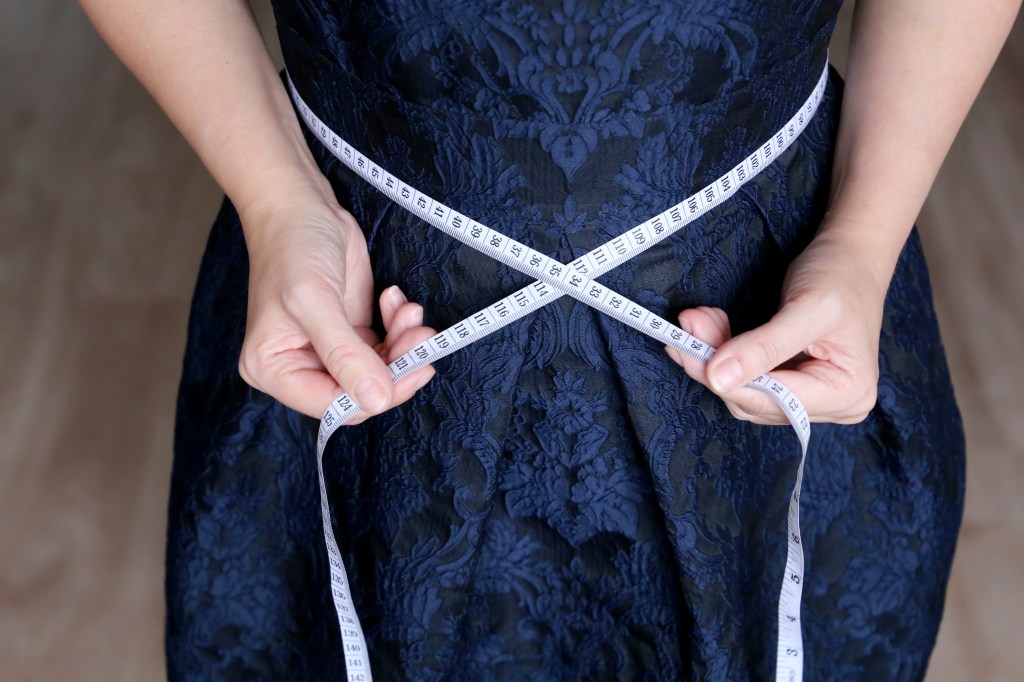
The best advice for knowing whether a vintage garment will fit is simply to try it on if you have the opportunity. However, if you’re buying online, the key is to know your exact measurements and understand your proportions. If you’re a classic hourglass, a 1950s or a 1980s belted shirtdress will fit much better than a 60s shift or a 90s slip dress. Understand your body type, and then you can unleash your inner vintage fashionista.
 Vintage Fashion Magazine